
Industry
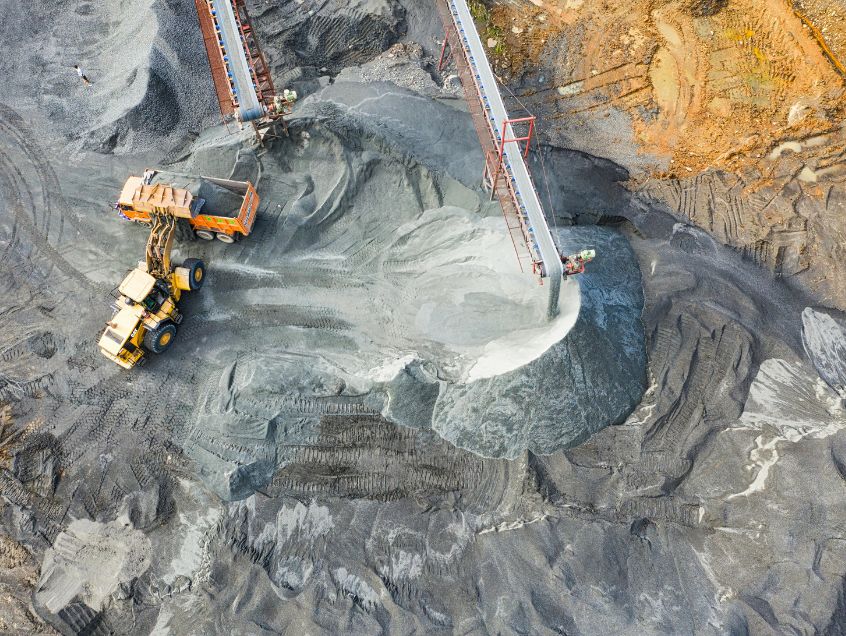
The road to net zero begins underground. Every electric car, wind turbine, and transmission line depends on metals and minerals extracted from mines. Without mining, there can be no electrification, no renewable infrastructure, and no move away from fossil fuels. Yet this progress comes with a paradox. Mining remains one of the most carbon intensive sectors on the planet, responsible for between 4 and 7% of global greenhouse gas emissions. To deliver the materials that power a low carbon world, the industry must also tackle its own footprint. Electrifying mining operations and adopting battery electric vehicles (BEVs) is crucial to ensure we do not take one step forward and two steps back in the race towards net zero.
Minerals and rare earth metals are crucial for electrification, not only to power batteries such as those used in EVs and grid-scale storage systems, but also in magnets for wind turbines and motors, to build powerlines, and to produce solar panels and charging stations. To help put this into perspective, a typical electric car requires six times more mineral inputs than a conventional petrol model, while an onshore wind farm needs nine times more mineral resources than a gas plant.
The scale of this demand is reshaping global markets. The mining sector is expected to grow from $2 trillion in 2022 to $3.5 trillion by 2032. Yet this growth comes with a cost. Mining’s contribution to the clean energy transition still depends on processes that are highly carbon intensive, making the decarbonisation of the sector as vital as the materials it extracts.
Mining’s carbon footprint stems from a range of activities. Scope 3 emissions are those produced upstream and downstream across the supply chain, and they are the most energy intensive, with ore extraction and processing alone accounting for around 40% of the industry’s total energy use. Scope 2 emissions cover indirect energy use such as purchased electricity, while Scope 1 emissions relate to direct operations, including the heavy machinery, trucks, and excavators that largely run on diesel. According to a report by the Electric Mine Consortium, a typical underground mine’s scope 1 and scope 2 emissions can be attributed to 25% from diesel-powered load and haul vehicles, 35% from ventilation, 35% from mineral processing, and 5% from drilling and blasting.
The transition from diesel-powered fleets to battery electric vehicles (BEVs) represents one of the most immediate and tangible pathways to decarbonisation, while also delivering improvements in safety, efficiency, and overall site performance:
However, according to McKinsey, electrifying mines could double their electricity demand, which is why pairing electrification with clean energy sources and on-site battery energy storage systems (BESS) is also an important consideration.
Momentum is building across the industry. Volvo Construction Equipment recently announced the A30 Electric and A40 Electric, the world’s first battery electric articulated haulers in their size class, marking an important milestone for cleaner mining fleets.
At the Oyu Tolgoi mine in Mongolia, Rio Tinto has begun trialling battery electric haul trucks in partnership with China’s State Power Investment Corporation, exploring how large-scale fleets can be powered and recharged efficiently on site. Despite this, Rio Tinto expects large-scale deployment of battery-electric haul trucks to become technically and commercially viable only after 2030, although rapid advances in battery technology could bring that timeline forward. Companies like Nyobolt are developing faster-charging, longer-lasting battery systems designed specifically for the rigorous demands of mining operations. Their high-uptime technology enables continuous performance with minimal maintenance, helping electric equipment keep pace with the pressures of heavy industry.
The electrification of mining is already underway, reshaping one of the world’s most carbon intensive industries. From battery swap fleets in Mongolia to new modular battery systems in the UK, progress is gathering pace. To keep it moving, the focus now needs to shift towards renewable generation, stronger grid connections, and greater collaboration across the sector.
As the world races towards net zero, mining’s transformation will decide how quickly the wider transition unfolds. The materials that power the future must also be mined using the technologies that define it.