Industry
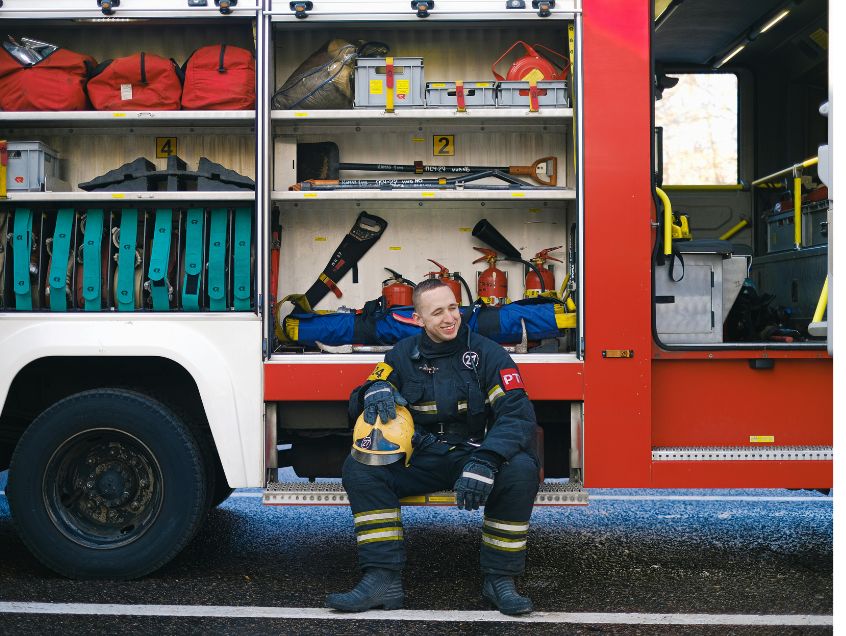
Emergency services are becoming increasingly electrified. From fully electric vehicles to drones and on site energy storage, batteries now sit at the centre of modern emergency response. When an incident occurs, first responders must arrive fast and keep operating without interruption. In those moments, instant power isn’t just a convenience. It’s a lifeline.
Emergency services are increasingly deploying fully electric fleet vehicles packed with critical equipment, from radios and torches to phones and defibrillators, all drawing on high capacity, dependable batteries. As of 2025, around 6% of UK emergency service fleets are electric. That may sound modest, but with electric vehicles making up roughly 5% of registered vehicles nationally, emergency services are ahead of the curve.
Targeted initiatives are helping push that progress further. UK Power Networks’ Blue Light project, for example, supports emergency services by installing EV charging points and developing digital tools that allow access to cheap or free electricity when it becomes available. For public services operating under tight budgets, commercial procurement frameworks provided by the Crown Commercial Service make it easier to secure electricity at predictable, pre-agreed prices. This improves budget certainty and can reduce operating costs compared with petrol or diesel vehicles over their lifetime.
Emergency services face operational demands that differ sharply from those of private motorists. In busy cities such as London, New York, or Tokyo, emergency vehicles can remain powered for entire shifts, with crews rotating in and out almost continuously. Unlike the people who operate them, these vehicles rarely rest.
That constant, high load is where many manufacturers still struggle, with batteries not yet fully suited to sustained emergency use. The London Fire Brigade’s first electric fire engine, bought in 2022, is a good example. It has reportedly yet to attend a live incident, likely due to a mix of charging gaps, additional training requirements, or performance in exercises falling short of expectations.
Emergency services operate 24 hours a day, 365 days a year. But what happens when the power they rely on becomes unreliable or is cut off entirely?
Fire stations in Puerto Rico have faced this challenge acutely due to frequent hurricanes, an ageing and fragile power grid, and major system failures, most notably in 2022, when a fire at a power plant triggered a four-day blackout. While these stations were equipped with diesel backup generators, extended outages made sourcing fuel extremely difficult, and large-scale fuel storage was neither safe nor practical in many remote locations.
In response, a non-profit organisation called Solar Responders identified an opportunity for modern, sustainable technology to address this vulnerability. The organisation installed solar generation paired with battery energy storage at fire stations across Puerto Rico. Stations equipped with these systems can now continue operating during blackouts and disasters, and in some cases even provide power to local residents, for example to refrigerate medication or charge essential communication devices.
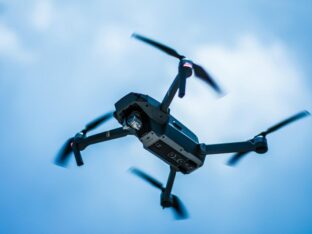
Emergency services are increasingly turning to drones, both aerial and ground based, to extend capability and reduce risk. Some police forces are even exploring whether drones could take on roles traditionally filled by helicopters. Bomb disposal robots shield technicians from explosive threats. Tunnel crawling drones help firefighters locate trapped residents in smoke filled buildings and assess collapsed mines where human entry would be fatal.
Every one of these tools depends on batteries that deliver more than raw capacity. They must be durable, safe, and able to perform in extreme heat, cold, and physical shock. In many situations, a drone’s battery life directly determines how long a search can continue or whether help arrives in time. In these environments, battery performance is not a technical detail. It’s mission critical.
Emergency services do more than respond to incidents. They serve communities whose expectations now extend to climate responsibility. Across the European Union, in a 2025 survey, 81% of respondents support the EU’s goal of reaching climate neutrality by 2050.
Electrifying fleets, devices, and facilities brings real challenges, but the drivers are clear. Lower operating costs, improved reliability, and public pressure to address climate change are sustaining momentum toward a battery based future. As battery technology matures, it will play an increasingly central role in emergency response, quietly supporting lifesaving work when reliability matters most.