
Energy Grid
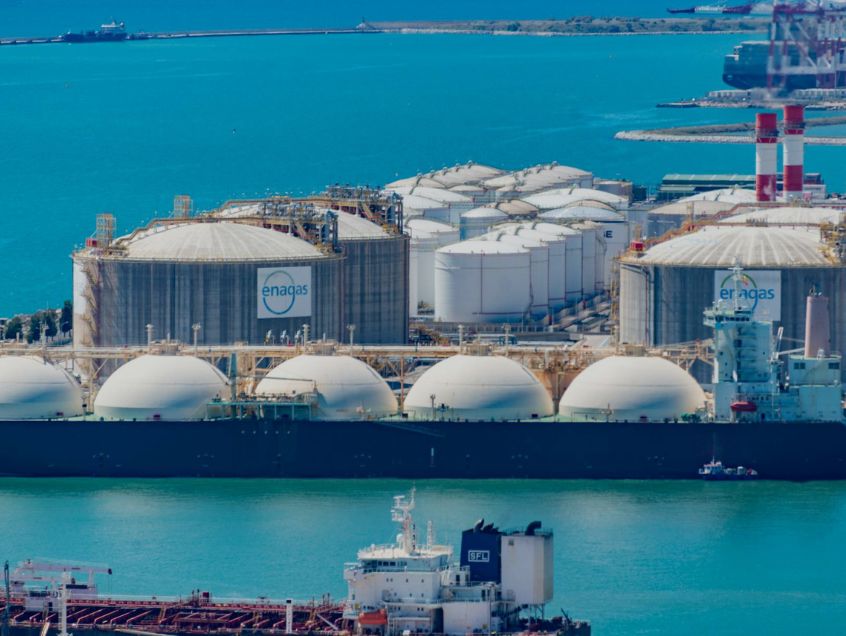
You may be wondering why energy prices keep creeping up when headlines boast record renewable generation that was meant to bring our bills down. The truth is we still have one itch we cannot stop scratching. Gas. Renewables are brilliant, but they are intermittent. The sun doesn’t always shine and the wind doesn’t always blow, so we fall back on gas to plug the gaps, firing up peaker plants when renewable output dips. It’s also why people refer to gas as a transition fuel.
The issue is in how the UK prices electricity. We use a marginal pricing model, which means the wholesale price is set by the most expensive generator needed to meet demand. Because gas must be bought on global markets and is exposed to wars, supply shocks, and plain old commodity prices, it ends up setting the wholesale price most of the time. Around 97% of the time to be precise.
On top of what they earn in the wholesale market, gas plants also make money through capacity payments, which is essentially being paid to step in when demand spikes or renewable output drops. Earlier this year, two plants owned by Uniper and a Vitol subsidiary were paid more than fifty times the usual market price during a cold spell to prevent a predicted shortfall. Each walked away with over £6m for just three hours of generation.
Picture it like this. Your kitchen is on fire, you do the sensible thing and call the fire brigade, only to be told there is a thousand pound call out fee. You pay it. That is pretty much the reality for the grid operator in moments of stress.
And it wasn’t a one off. Research shows that since 2015 the government has issued around £20bn worth of contracts through the capacity market to build a backup reserve of generators on standby. Around 60% of that pot has gone to fossil fuel plants, with only a quarter going to storage or cable projects.
With more renewable energy on the grid, gas plants aren’t running anywhere near as often as they once did. They now sit idle for long stretches and only fire up when needed. But they still need to make money or they will shut down, and as part of our backup supply that is something we simply cannot afford if we want the lights to stay on. In that context, the eye watering price spikes are the few hours a year when the real money is made for these gas plants, and they waste no time taking it.
If we take a moment to go back to the fire brigade analogy, we pay for the fire service even when nothing is on fire, rather than relying on panic callout fees. That’s the thinking behind Greenpeace’s Regulated Asset Base (RAB) proposal. It suggests taking gas plants out of the wholesale market, reducing consumer bills, and instead placing them in a strategic reserve with earnings set by the regulator. Unlike capacity payments, which are short term and still tied to market behaviour, a RAB gives plant owners steady, predictable income for simply being available. No chasing price spikes, just a calm, fixed path that keeps bills far more stable for everyone.
In an ideal world we would phase out gas tomorrow and lean fully on storage, whether that’s hydro or battery energy storage. California shows what’s possible. After blackouts in 2020, caused by a severe heatwave and surging air conditioning demand, they more than tripled their battery storage capacity to 13 gigawatts, with over 8 gigawatts planned by 2027. Most states and countries are nowhere near that scale and will not get there if gas remains the crutch we reach for.
Some people argue that the RAB proposal could actually unlock more battery storage investment. If you leave the gas plants with their existing private owners they may decide to sell them, in favour of higher-risk assets with more upside, which could include more investment into battery technology. Others argue the opposite. That the volatility caused by gas creates the market for battery storage, with calmer markets potentially slowing that momentum.
Battery costs are falling fast, specifically around 90% in the past fifteen years according to the IEA, one of the steepest declines of any clean energy technology. There is also growing investment in other forms of storage, from traditional hydropower to more weird and wonderful ideas like liquid air. The direction of travel is clear. Yet to reach net zero, the world needs storage capacity to grow sixfold by 2030, and we are simply not there.
And this is where things get tricky. Gas is not loved, but it is still needed. It keeps the lights on when calm weather rolls in and when solar dips, and until storage can cover those gaps at scale the grid cannot cut the cord entirely. Whether you support the fire brigade approach of a regulated reserve or you prefer the argument that volatility drives investment, the truth sits somewhere in the middle. Gas is our safety net and energy storage is our way out. Progress is happening, but the system we have still hesitates to let go of the crutch it relies on. The task ahead is to build enough storage, fast enough, so that the crutch is no longer needed. That is when rising energy prices can finally stop acting like one of life’s great certainties.