Energy Grid
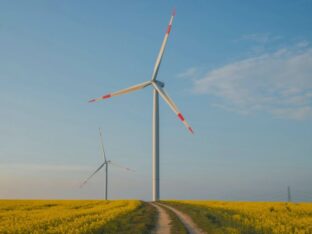
Renewables are now generating more electricity than coal for the first time in history, and in 2024 they supplied 47% of the EU’s power. It marks real progress toward decarbonisation, but it also exposes a growing vulnerability. As the share of renewables increases, so does our exposure to their intermittency. What happens when the weather turns against us? When the wind drops and the skies stay grey, output from solar and wind farms falls sharply. The Germans have a word for this: Dunkelflaute.
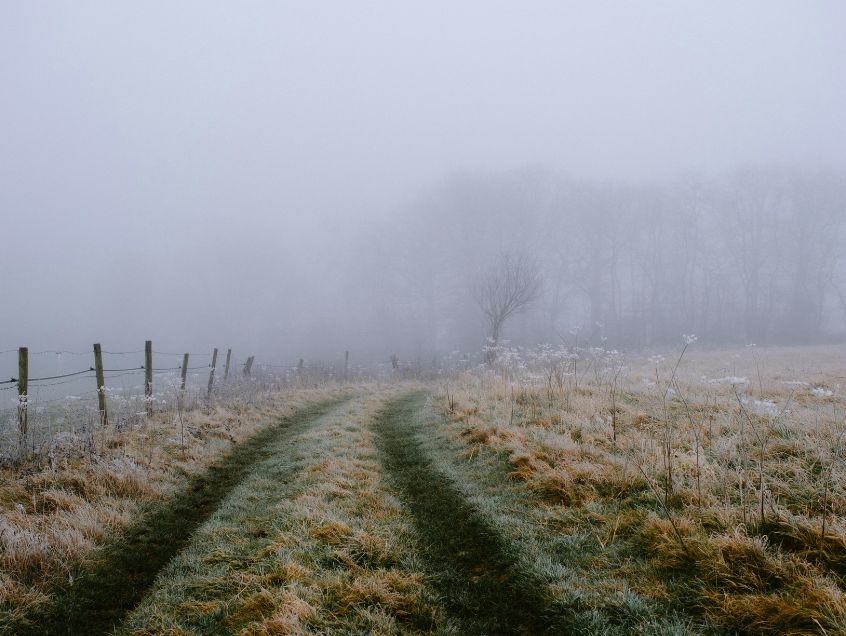
The term Dunkelflaute refers to a prolonged period of low solar and wind generation, most often during winter, particularly in northern Europe. In December last year, Germany was forced to purchase electricity from abroad and fire up gas turbines to meet demand after an especially severe Dunkelflaute caused an 85% drop in wind power output compared to forecasts.
Fortunately, most Dunkelflaute events last year were contained, leading only to brief price increases that, in most cases, did not affect households thanks to long-term energy contracts. But while these events are extreme, smaller mismatches between renewable supply and demand happen all the time. When that happens, gas is usually what gets fired up to fill the gap, which is why it’s often described as a transition fuel. Yet continued reliance on gas is incompatible with long-term decarbonisation goals. We can’t keep relying on fossil fuels to bail us out. Instead, we need to focus on building stronger, more reliable energy storage solutions.
Energy storage solutions act as a buffer between supply and demand, capturing surplus energy when generation exceeds consumption and releasing it when output drops. Energy storage solutions also play a key role in preventing curtailment, where renewable output is wasted because the grid cannot absorb or distribute the excess. By storing that surplus power for later use, operators can improve efficiency, reduce waste, and lower overall system costs. According to the International Energy Agency (IEA), to scale new solar and wind power generation to 3x what they are today, global energy storage capacity must increase sixfold to 1,500 GW by 2030.
Battery Energy Storage Systems (BESS): According to the International Energy Agency, grid-scale battery storage grew from 1 GW in 2013 to more than 85 GW in 2023, with over 40 GW added in 2023 alone. While hydro still leads overall capacity, batteries now account for 90% of new storage growth in the Net Zero Emissions by 2050 Scenario, projected to rise fourteenfold to 1,200 GW by 2030. What sets batteries apart from other storage solutions is their ability to discharge electricity instantly, without the need for energy transfer back into another form. This makes them ideal for balancing short-term fluctuations in supply and demand and maintaining grid stability in real time.
As renewables take a larger share of global electricity generation, Dunkelflaute will remain one of the biggest tests of the energy transition. These dark, windless spells highlight a simple truth: the world cannot rely on weather alone to power its grids.
For decades, fossil fuels have been the safety net, ready to fill the gap when renewables fall short. But to reach net zero, that safety net needs to change. Scaling up energy storage, from pumped hydro and thermal systems to emerging options like liquid air and fast-responding batteries, is the key to replacing that backup with cleaner, smarter alternatives.The IEA estimates that global energy storage capacity must grow sixfold by 2030 to keep grids stable as renewable generation expands. The technology is proven, the infrastructure is developing, and investment is accelerating. The challenge now is speed: deploying storage quickly enough to match the rise of renewables and keep the grid alive through every Dunkelflaute.