
Energy Grid
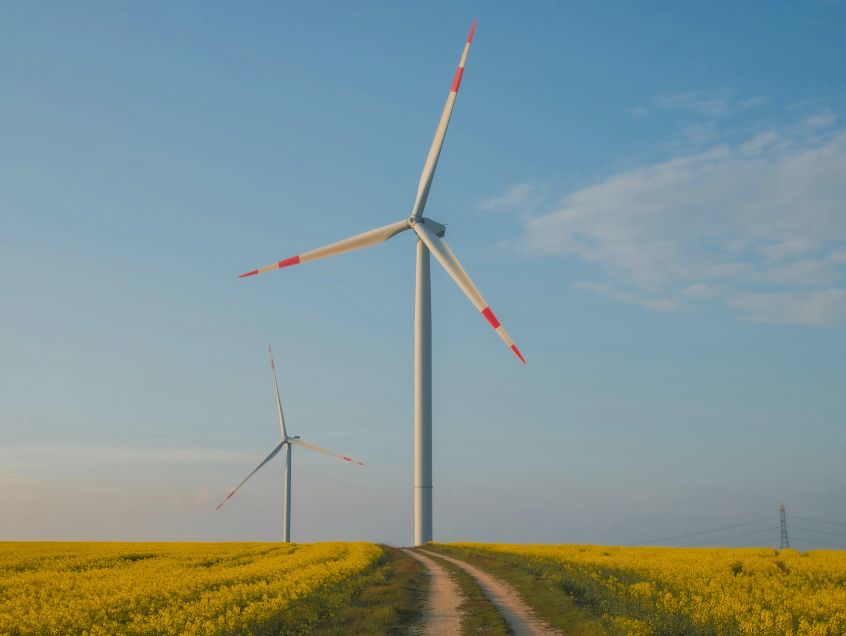
In early October, Storm Amy swept across the UK, sending power prices plunging into negative territory. For households, it sounds like a dream: getting paid to use electricity. Picture running the washing machine, dishwasher, and oven all at once on a lazy Sunday afternoon with the grid paying you for the privilege. But that fantasy is far from the reality. In truth, individual consumers rarely see any benefit from negative power prices. Instead, these moments serve as a warning signal, exposing deep inefficiencies and a lack of flexibility within the energy system. The good news is that there’s a clear path forward. Growing investment in battery energy storage systems (BESS) is emerging as the key to grid stability and, eventually, allowing everyone to share in the benefits of abundant renewable power.
Renewable power has taken off, with one study showing that for the first time, renewables have overtaken coal as the world’s biggest source of electricity. But as clean power grows, so does the complexity behind keeping the grid balanced.
Back in the days of coal-fired power stations, matching supply with demand was as simple as turning a few knobs. Need more power? Fire it up. Need less? Dial it down. Easy. Renewables, though, dance to nature’s rhythm. They only produce power when the wind blows or the sun shines, which makes them wonderfully green but incredibly unpredictable.
It’s easy to assume the biggest problem is under generation, like on a still, cloudy day. But that’s not the real headache. When the weather over-delivers, say there’s uninterrupted sunshine, or too much wind, the grid can quickly become flooded with power. To avoid overloading the system, that excess power has to go somewhere, and fast. To encourage more consumption, prices are slashed, and when they drop below zero, generators end up paying consumers to use the power they’ve produced.
It sounds absurd, right? Paying consumers to use the excess power. But in reality, switching off generation can cost more than keeping it running. Plus, when grid operators do step in and pay generators to stop producing power, a process known as curtailment, it’s incredibly expensive, with costs expected to exceed £1.8 billion in 2025. On top of that, many generators simply aren’t allowed to shut down, as some are tied into contracts or government incentives that reward continuous production even when demand is low.
Negative power prices are proof that we’ve successfully scaled renewable generation. The first negative price event happened in Germany back in 2008, a clear sign that renewables were starting to have a real impact on the grid. Fast forward to 2025, and countries like Spain and the Netherlands have already recorded more than 500 hours of negative power prices.
But, when it comes to who actually benefits, it’s rarely you or me. Most people are on fixed tariffs, so the market dips never show up bills. The winners are usually large industrial consumers, such as big factories or data centres, who buy directly from the wholesale market. When power prices turn negative, they can get paid to consume electricity, so they ramp up operations if they can. Energy traders can also profit by using weather forecasts and demand patterns to predict when supply will surge and when power prices will turn negative. By anticipating those swings, they can turn volatility into profit.
The unfortunate thing about negative power prices is that the renewable sector is effectively becoming a victim of its own success. When prices turn negative and generators struggle to make a profit, investor confidence drops. And without the promise of returns, funding for new renewable projects slows down, even though we need more of them to meet growing clean energy demand.
Most of us don’t get a slice of the negative-price pie. As mentioned, the main beneficiaries are energy traders and large industrial users. But there’s another big winner: companies who own battery energy storage systems (BESS). Operators can charge their BESS when electricity prices are negative and sell power back to the grid when prices rise. This flexibility gives them a clear advantage and provides a strong incentive to continue expanding storage capacity.
And that’s where the real opportunity lies. The more energy storage systems we have, the more stable the grid becomes. Instead of wasting surplus energy or paying to get rid of it, we can save it for later when demand is high. It means fewer negative-price events, lower renewable curtailment costs, and over time, cheaper and more reliable energy for everyone.